
$25 Off $200+ Order with Code SAVE25
- HOME STYLE ▾
- PERSONAL STYLE ▾
- DESK & OFFICE ▾
- CREATIVE TOYS & KITS
- SALES & SPECIALS ▾
- NEWS / BLOG
$25 Off $200+ Order with Code SAVE25
Item# FC24-104
$108.00 $91.95
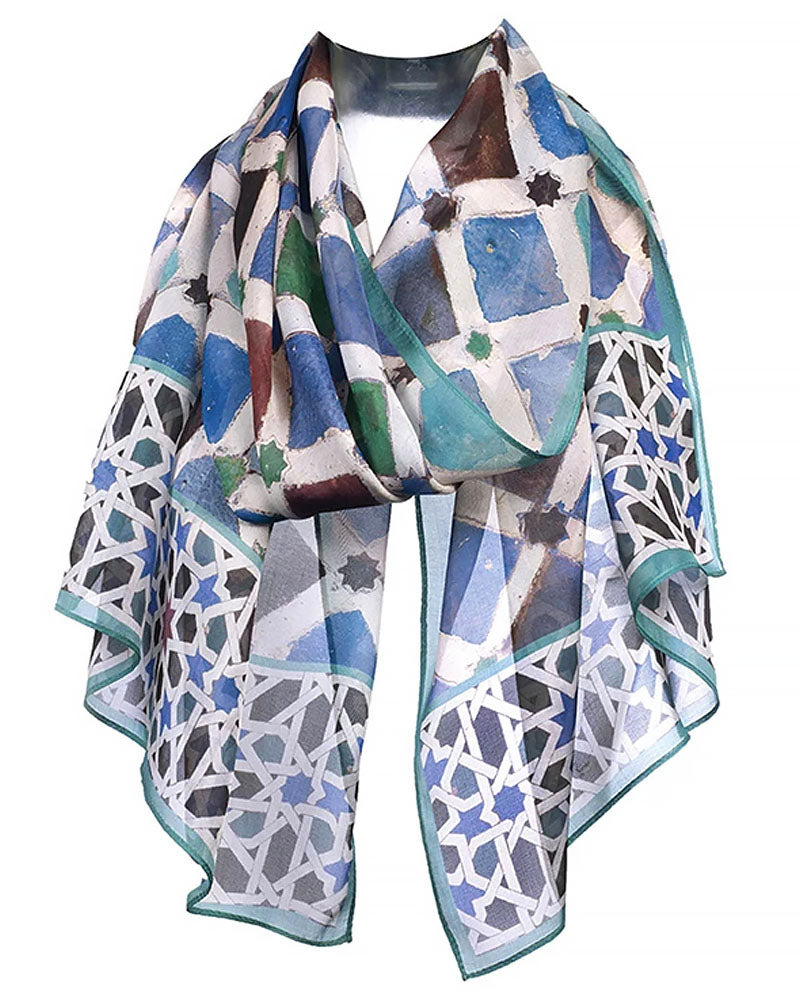
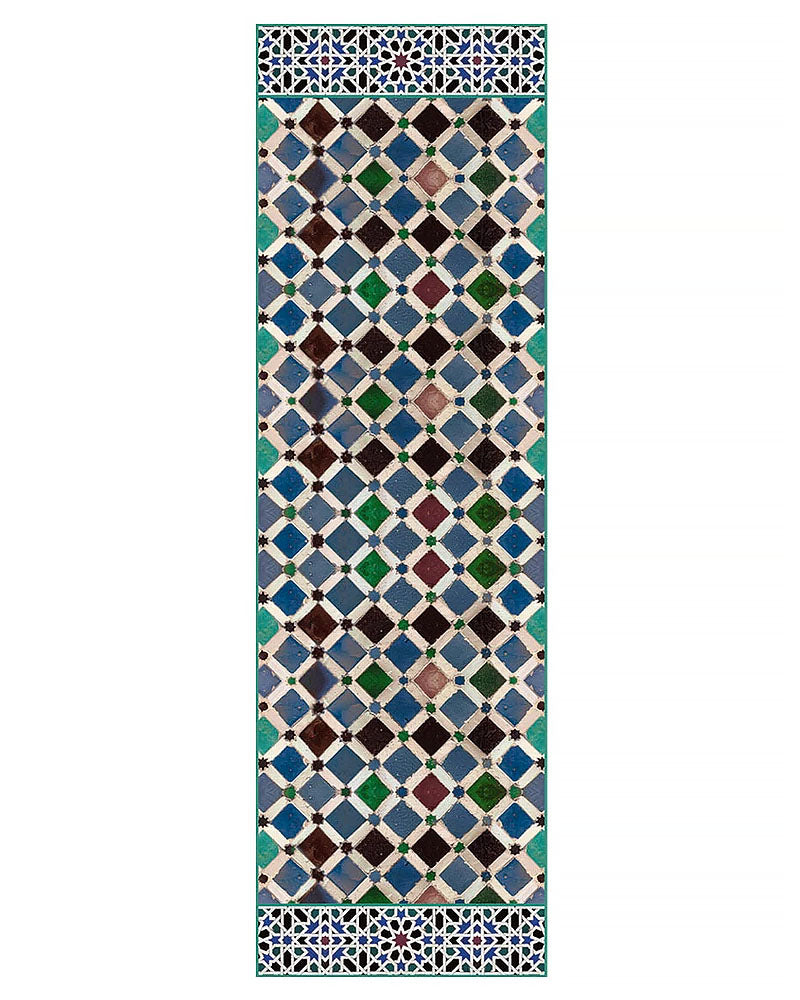
The Alhambra Tiles Silk Chiffon Scarf is inspired by the tile mosaics in the Alhambra palace and fortress complex located in Granada, Andalusia, Spain. The Alhambra tiles are remarkable in that they contain nearly all of the seventeen possible wallpaper groups (mathematical classification of a two-dimensional repetitive pattern, based on the symmetries in the pattern). M. C. Escher's visit to the Alhambra and study of the Moorish symmetries in the tiles inspired his subsequent work on tessellation, which he called "regular divisions of the plane”. Silk Chiffon. Hand rolled hems. Dimensions: 70” x 21” (180cm x 55cm).
$74.95 $120.00
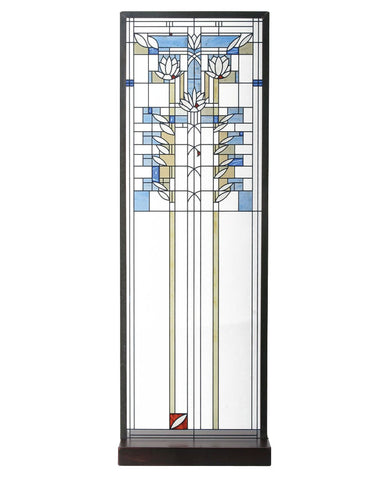
This Frank Lloyd Wright Waterlilies Stained Glass, depicting flowers and lily pads floating in a tranquil pool, is adapted from an unrealized leaded stained glass window designed by Wright circa 1893-95. On this glass panel, enamel colors are individually applied to a single sheet of glass which is then kiln fired to permanently fuse the enamels to the glass. The...
$79.95 $86.00
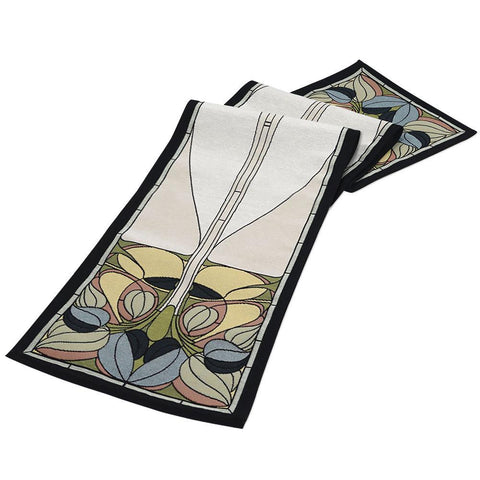
The design of this Art Nouveau Spring Floral Tapestry Table Runner is based on an Arts & Crafts stained glass window. The design depicts a flower, springing up from its bulb through the surface of the ground to blossom in the sunlight with a sophisticated earth tone colorway. Each woven tapestry runner measures 76"x13.5". Cotton/polyester/acrylic blend fabric. Care instructions: Dry clean for best results. Made in...
$79.95 $86.00
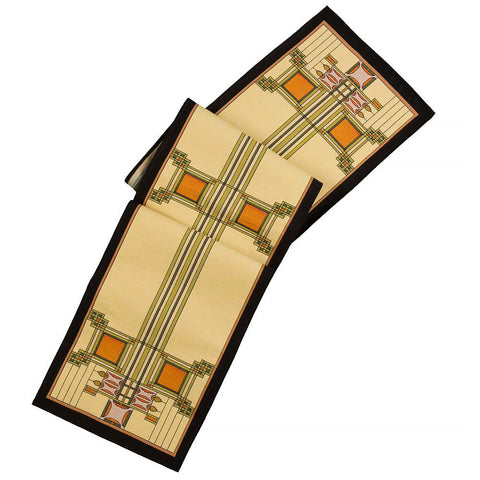
The design of this Sullivan Table Runner is based on a window in the National Farmer's Bank, Owatonna, Minnesota, 1908, designed by Louis Henry Sullivan, with decorative elements by George Elmslie. It was the first of Sullivan's "jewel box" bank designs. A design from an important historic architectural building, brought to life for today’s modern homes with extraordinary weaving and...
$79.95 $86.00
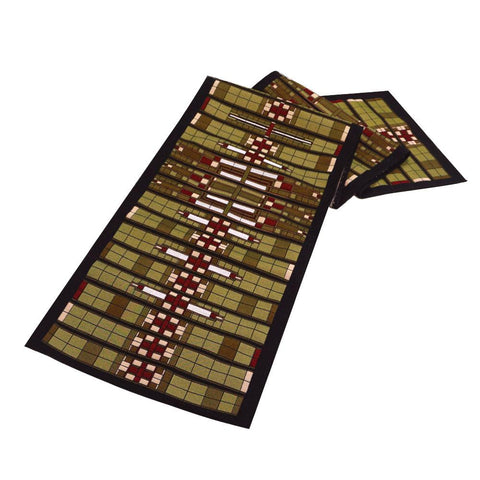
The Louis Sullivan Skylight Tapestry Table Runner is inspired by a window designed by Louis Henry Sullivan. The window is from a branch of the Farmers Merchant & Union Bank, 1919. For a young Frank Lloyd Wright, his years working under Louis Sullivan, February of 1888 to June of 1893, undoubtedly shaped his design philosophy. Wright, who rarely acknowledged any direct influences called Sullivan his “Lieber...
Sign up to get the latest on sales, coupons & new releases
© 2026 ArchitectGiftsPlus. All rights reserved.
Maclin Studio, Inc. 219 N. Milwaukee Street
Milwaukee, WI 53202. Ph: 414.276.4750


