
$25 Off $200+ Order with Code SAVE25
- HOME STYLE ▾
- PERSONAL STYLE ▾
- DESK & OFFICE ▾
- CREATIVE TOYS & KITS
- SALES & SPECIALS ▾
- NEWS / BLOG
$25 Off $200+ Order with Code SAVE25
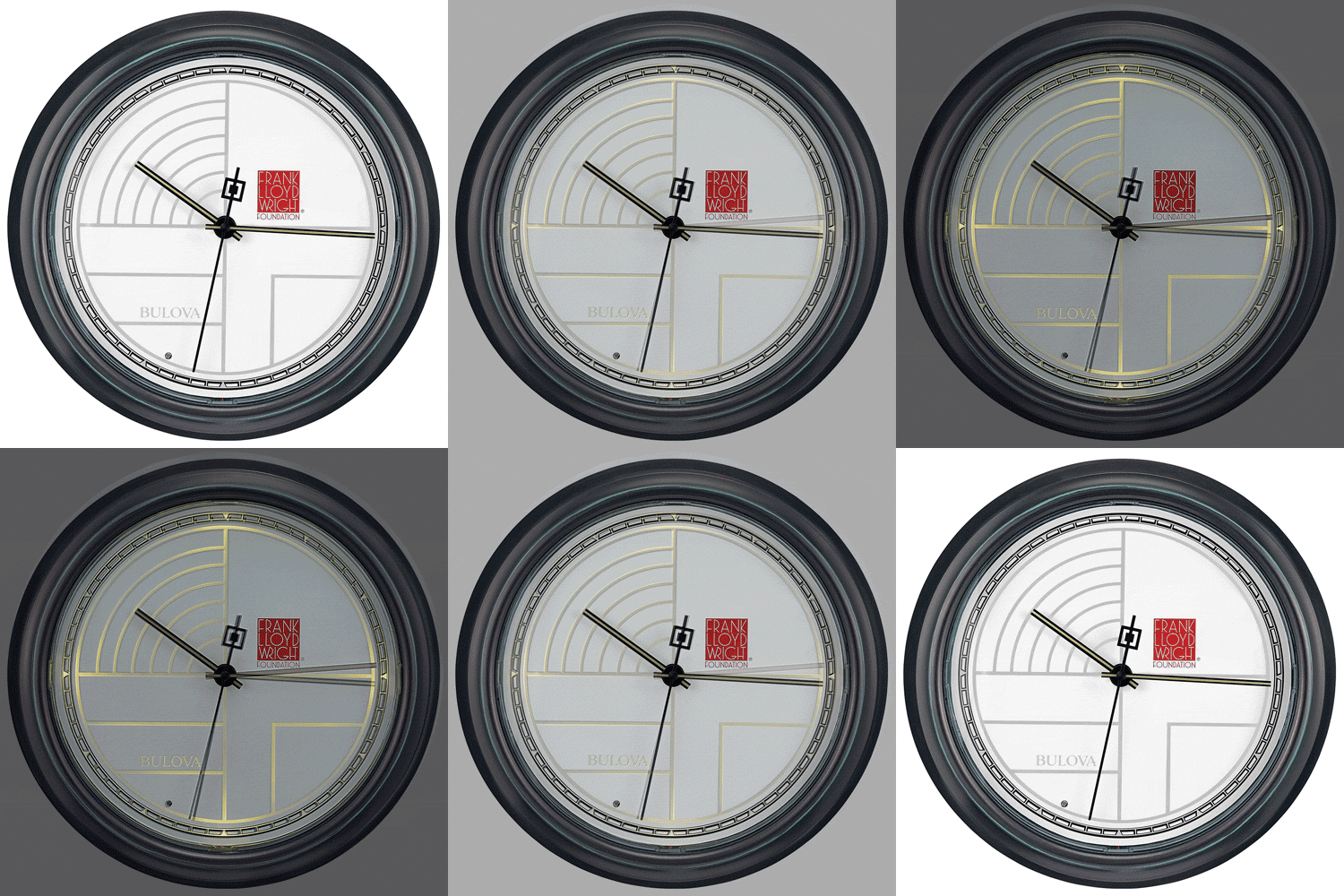
Item# WBC4881
$116.60 $57.95
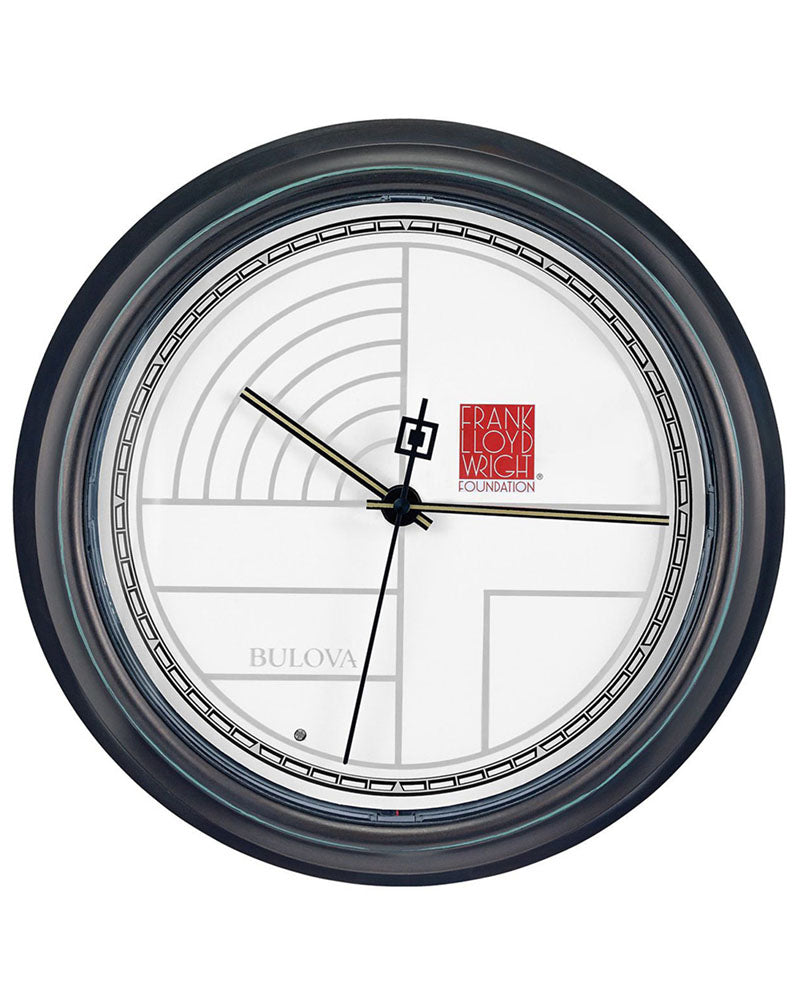
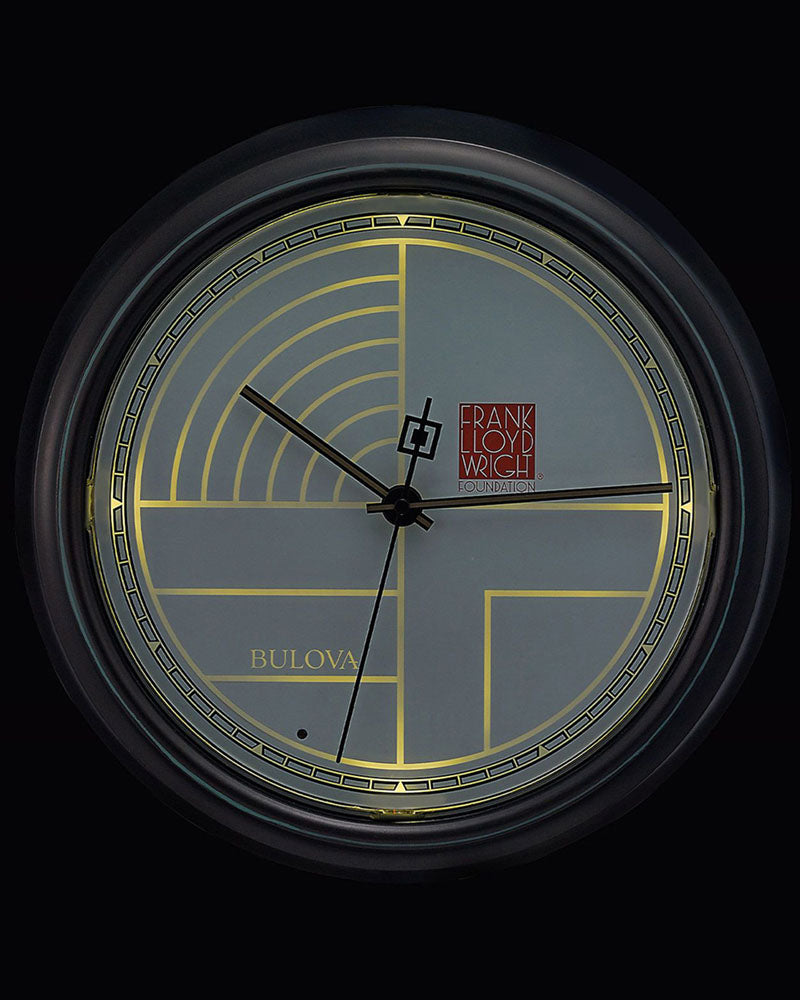
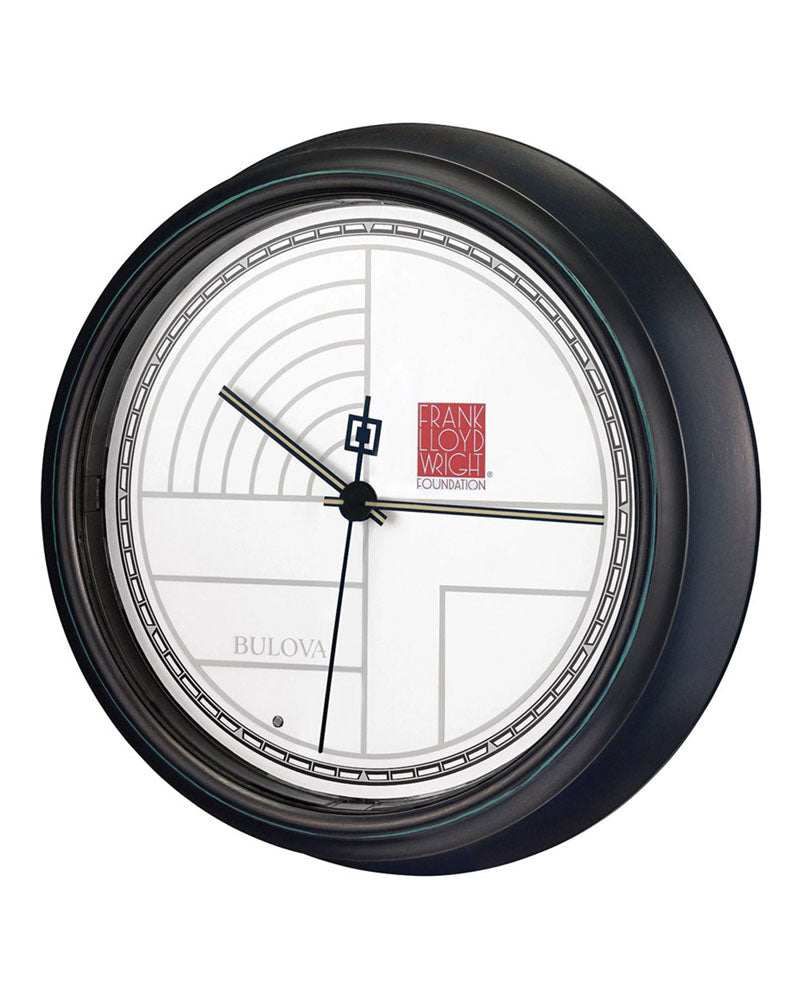
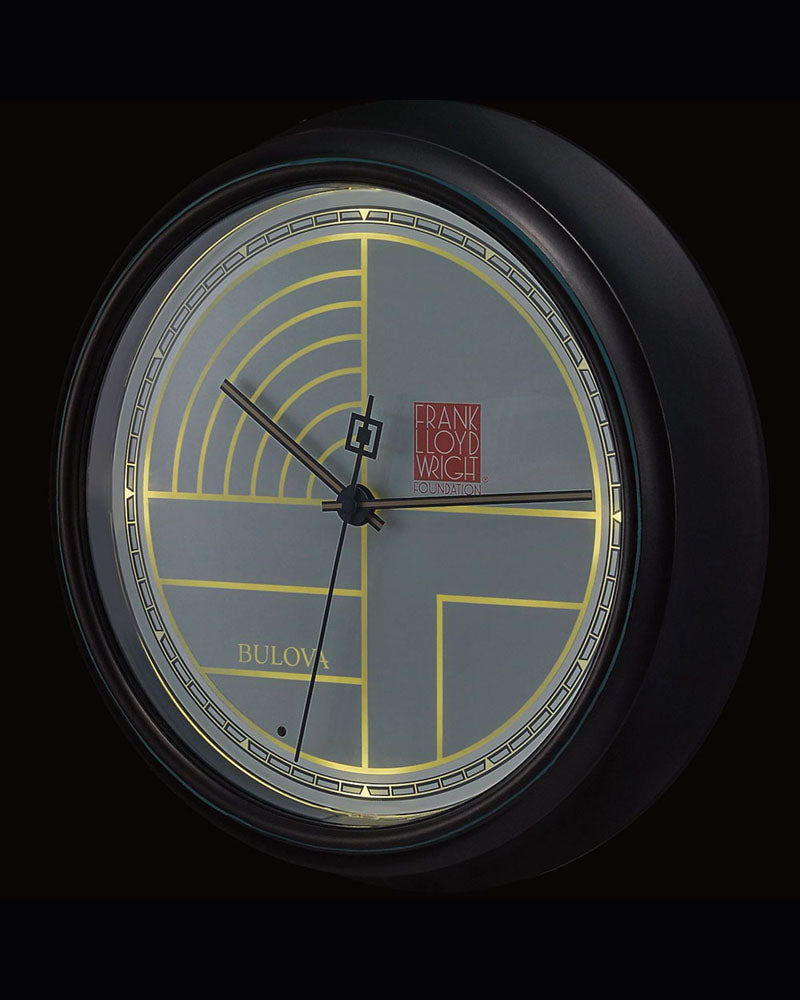
The Frank Lloyd Wright Liberty Indoor/Outdoor Wall Clock design is adapted from the Liberty Magazine covers that Wright produced in the winter of 1926-1927. The designs were considered to be too avant-garde and were never published. Great for both indoors and outdoors, including high humidity locations. This clock includes a molded weatherproof case in a rubbed bronze finish, a gasketed protective glass lens, a silent sweep quartz movement, and automatic light sensors that light the reflective ink on the dial. Diameter: 14”. Depth: 3”. Uses 1 AA battery for the silent sweep (no ticking) quartz movement and 4 D Batteries to power the lights (batteries not included). From the Frank Lloyd Wright Collection by Bulova.
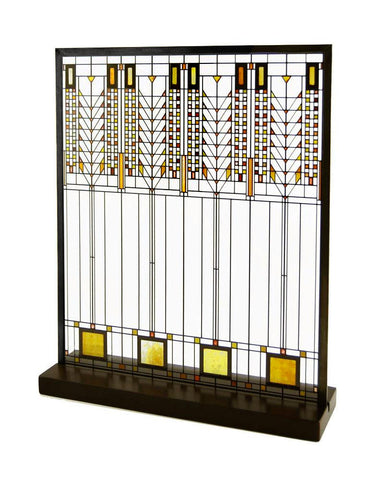
$94.95 $127.00
This Frank Lloyd Wright Tree of Life art glass pattern is found in several variations in Frank Lloyd Wright's Darwin D. Martin House. The four-pot variation is found on the central landing of the Martin House stairway. This exquisite adaptation of the window is framed with a copper patina frame for an antique feel and is perfect for desktop display....
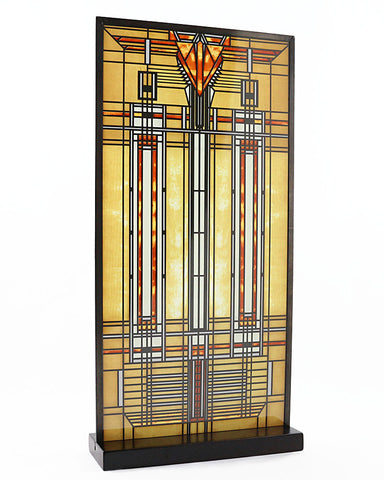
$108.75 $124.00
The Frank Lloyd Wright Bradley House Skylight Stained Glass is adapted from the dining room ceiling of the B. Harley Bradley House (Kankakee, Illinois, 1900), which is widely recognized as Wright's first Prairie Style design. This stained glass panel has been developed in association with the Frank Lloyd Wright Foundation. On this glass panel, enamel colors are individually applied to...
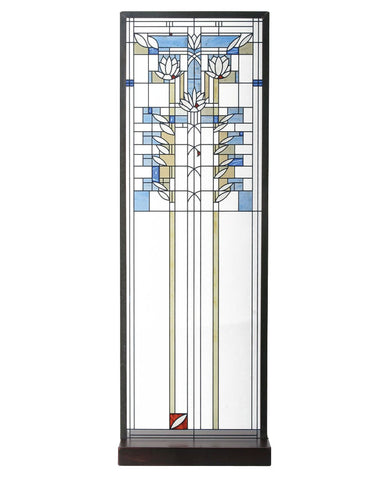
$79.95 $120.00
This Frank Lloyd Wright Waterlilies Stained Glass, depicting flowers and lily pads floating in a tranquil pool, is adapted from an unrealized leaded stained glass window designed by Wright circa 1893-95. On this glass panel, enamel colors are individually applied to a single sheet of glass which is then kiln fired to permanently fuse the enamels to the glass. The...
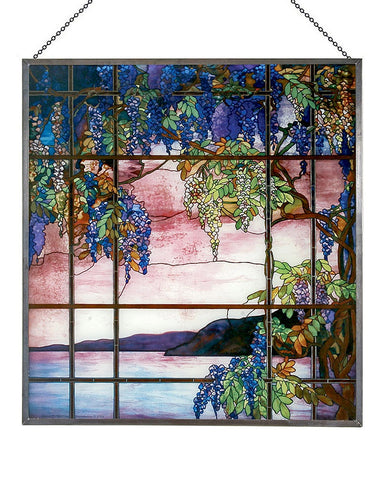
$139.95 $184.00
The Tiffany View of Oyster Bay Stained Glass Panel is based on Louis Comfort Tiffany's View of Oyster Bay window that was originally designed for silk industry heir William C. Skinner's New York City home. On this glass panel, enamel colors are individually applied to a single sheet of glass which is then kiln fired to permanently fuse the enamels to...
Sign up to get the latest on sales, coupons & new releases
© 2025 ArchitectGiftsPlus. All rights reserved.
Maclin Studio, Inc. 219 N. Milwaukee Street
Milwaukee, WI 53202. Ph: 414.276.4750


